Making Segur city for Nero
I had the opportunity to work on the establishing shots of Nero for Netflix. This is a breakdown of how we crafted the fictional city of Segur.
Year
2025
Category
Breakdown
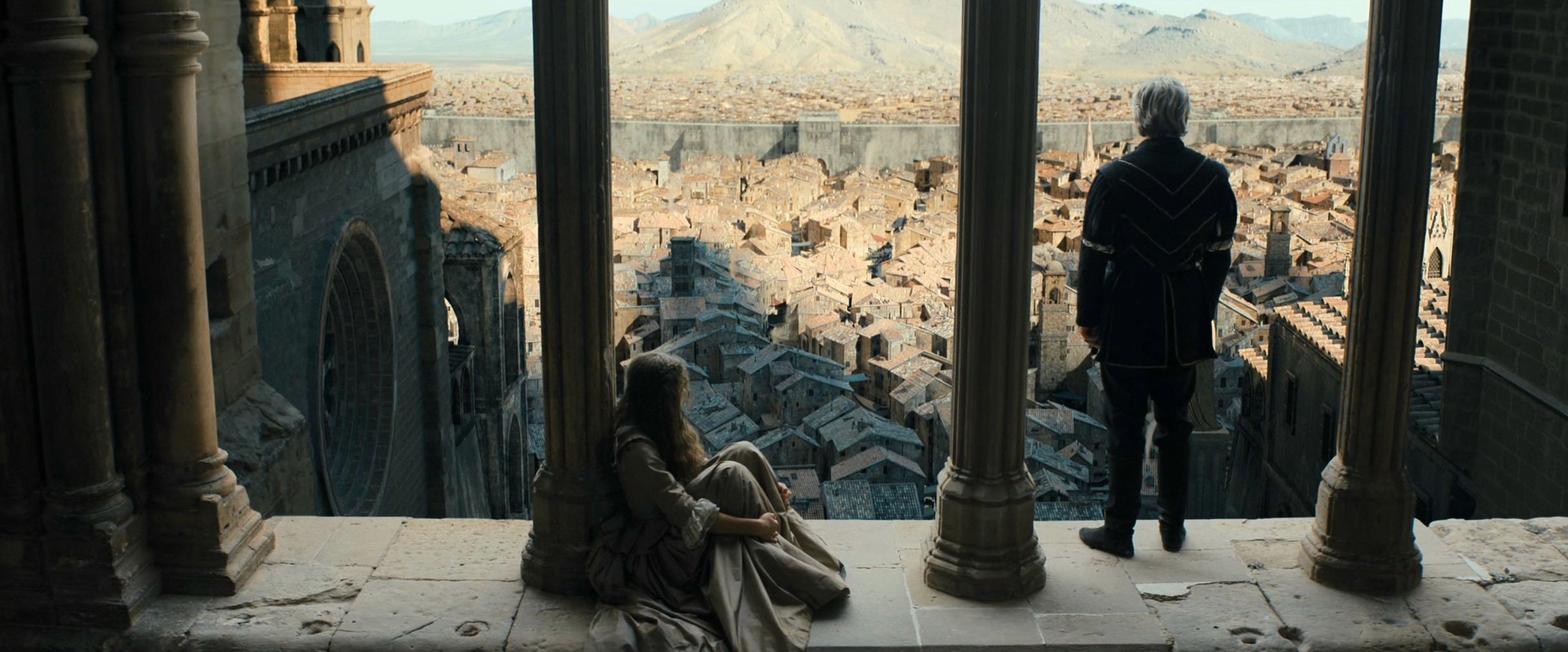
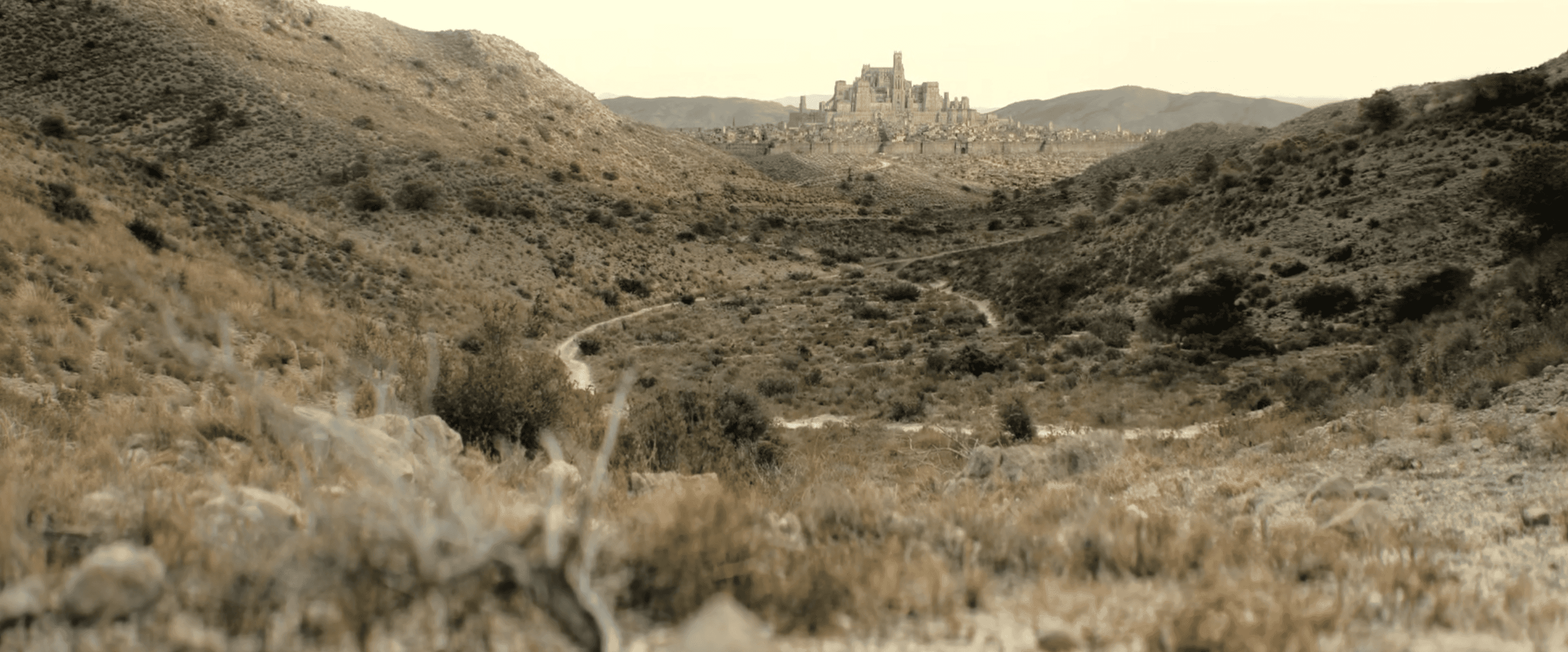
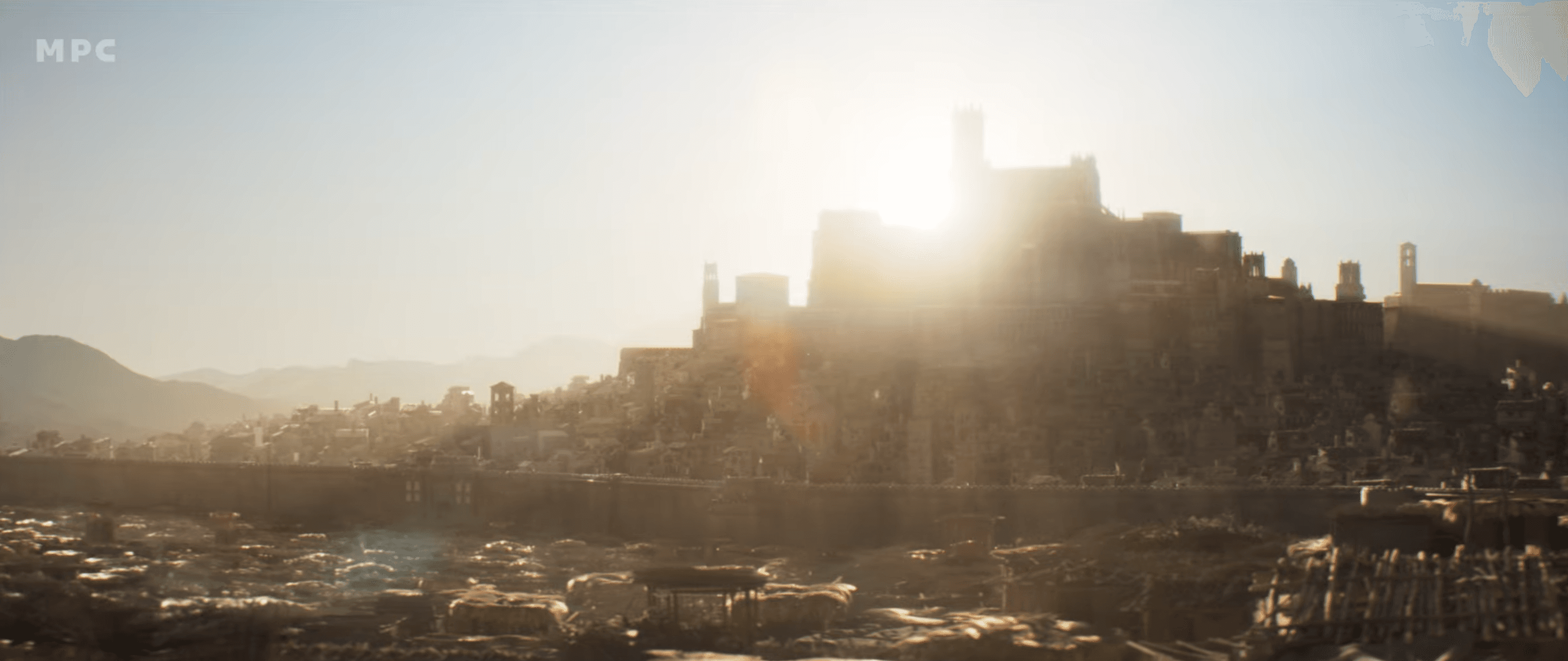
One of my main tasks was dressing the interior city. With tight deadlines and constant revisions, procedural modeling quickly became the obvious path to take.
It let me iterate fast while still keeping the environment detailed and consistent.
The city was inspired by medieval Florence, which gave me a perfect excuse to dive deep into references while listening to the Assassin’s Creed soundtrack.
You can see a breakdown of my setup in the video below:
The biggest challenge was making the medieval streets feel organically complex but still easy to control.
The city had to make sense: roofs needed to slope in believable yet varied ways, and houses and neighborhoods needed natural, organic yet controllable proportions.
I spent a while experimenting, looking for the right balance between control and automation. Micro details were simple, scatter systems handled most of that. But the larger “macro” logic of the city was the real obstacle.
Eventually, I found a middle ground. The realism I needed already existed in the real world on Google Maps.
By pulling geometry from satellite data, I realized I could feed roof polygons into the system and let the setup take care of the rest.
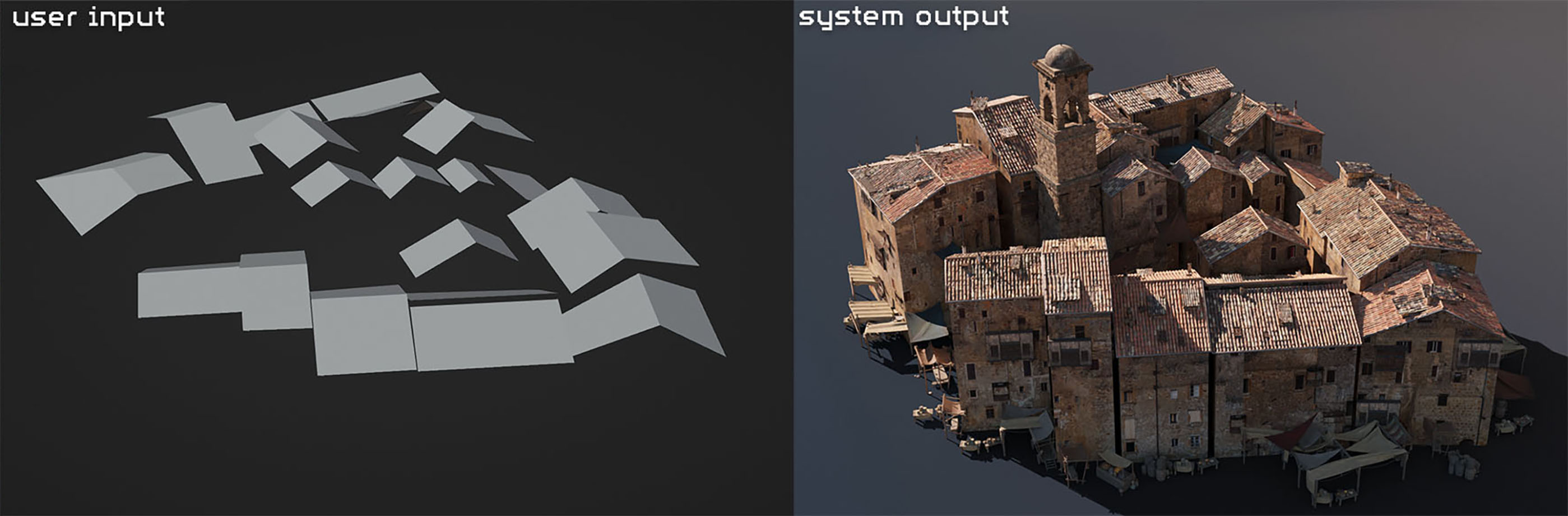
Turning simple planes into full houses made the whole system much easier to approach.
Roof tiles automatically aligned to the roof’s slope, windows appeared at set intervals and generated leaks, and elements like chimneys, market stands, and trapdoors were scattered throughout the scene.
The entire setup was built in Blender using Geometry Nodes, real-time rendering (EEVEE), and in-viewport compositing for quick previs.
This combo allowed for efficient feedback and iteration speed. Anyone could view and adjust the city directly inside the slapcomp, which made decisions faster and much easier to communicate.